Review: Watercolor Arctic Animal Ornament PNG for Stitchers
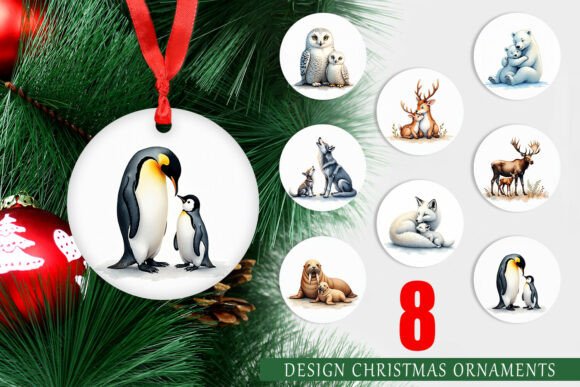
As a designer who spends half my life digitizing and the other half stitching, I have learned to look past the glossy preview images. When I first opened the Watercolor Arctic Animal Ornament PNG, my immediate reaction was not just about cuteness, but about translation. How does this soft, fluid aesthetic survive the rigid geometry of a needle and thread? This is a critical question for any embroidery project, especially when dealing with themes that rely on subtle gradients and organic shapes.
The mood this design creates is undeniably cozy and whimsical. It captures the quiet charm of winter without feeling cold or sterile. For those of us running a craft business or selling on Etsy, atmosphere is half the sale. The visual personality here is gentle, making it an ideal candidate for items meant to evoke comfort. However, the real test is not how it looks on a screen, but how it performs as a finished product on fabric.
From Screen to Stitch: Real-World Application
I recently considered this design for a custom order involving a set of holiday gifts. The client wanted personalized items that felt boutique-quality rather than mass-produced. I envisioned using the Watercolor Arctic Animal Ornament PNG on a cream-colored cotton tote bag and a heather grey sweatshirt. The goal was to create a cohesive look that appealed to adults who appreciate subtle, artistic touches over loud, cartoonish graphics.
In this scenario, the design’s layout proved to be its strongest asset. The composition is balanced, leaving enough negative space around the central figure to allow the stitch texture to breathe. When working with illustrations like this, overcrowding is a common pitfall. Here, the spacing feels intentional. For a sweatshirt embroidery project, this means the design sits well on the chest without distorting when the garment stretches. On a tote bag design, it provides a focal point that doesn’t compete with the bag’s structural seams.
The theme naturally lends itself to baby embroidery as well. Imagine this stitched onto a muslin swaddle or a nursery pillow cover. The soft edges of the watercolor style, when interpreted through thread, can create a tactile softness that parents love. It moves beyond a simple graphic and becomes a cherished keepsake. For small shop owners, this versatility is key. One strong design asset can populate multiple product lines, from kitchen towels to caps, maximizing your return on investment.
Navigating Technical Challenges
While the aesthetic is strong, we must address the technical realities of translating a watercolor effect into thread. Watercolor relies on bleeding colors and transparency, which are difficult to replicate with standard embroidery files. If you are digitizing this yourself or working with a pre-made digital embroidery file, pay close attention to stitch density.
High stitch density can make a design feel stiff and heavy, ruining the delicate vibe. Conversely, too little density might leave gaps in the fabric, especially on textured materials. I recommend testing the design on scrap fabric first. Check how the fill stitch interacts with the fabric texture. On a thick towel, you might need a denser pattern to prevent show-through, while on a thin baby onesie, a lighter touch with more running stitch outlines might preserve the airy feel.
Another critical consideration is the hoop size. Ensure the design fits comfortably within your machine’s capabilities without requiring excessive re-hooping, which can lead to misalignment. For curved surfaces like caps or hats, the center placement is crucial. The design should not extend too close to the edge where the curvature distorts the image. Always inspect small details before committing to the final piece. Tiny elements can get lost or bunch up if the satin stitch width is not adjusted properly.
Fabric and Thread Considerations
The success of this design hinges heavily on your choice of thread colors and fabric background. Since the source is a watercolor illustration, color contrast is vital. On dark fabric, the lighter tones of the arctic animal might pop beautifully, but you must ensure the stabilizer is robust enough to prevent puckering. A cut-away stabilizer is often safer for stretchy fabrics like sweatshirts, while a tear-away might suffice for stable cottons like aprons or pillow covers.
Thread selection can make or break the watercolor illusion. Instead of using stark, solid colors, consider variegated threads or blending similar shades to mimic the gradient effect. This adds depth and sophistication to the handmade product. Avoid high-sheen rayon if you are aiming for a rustic, cozy look; matte polyester or cotton threads often blend better with the organic theme. Test your thread colors against both light and dark backgrounds to see which offers the best visual appeal and stitching clarity.
Commercial Viability and Brand Consistency
For Etsy sellers and creative entrepreneurs, consistency builds trust. Using a cohesive set of design assets helps establish brand recognition. The Watercolor Arctic Animal Ornament PNG fits well into a broader collection of seasonal or nature-themed items. It suggests a brand that values artistry and quality. When customers see a well-executed embroidered patch or custom apparel item, they perceive higher value. This perception drives buyer engagement and justifies premium pricing.
However, always verify licensing before selling finished items or digital products. Not all illustrations are cleared for commercial embroidery. Confirm whether the license allows for physical goods, digital resale, or both. This step is non-negotiable for professional integrity. Additionally, consider creating printable mockups to showcase the design on various products before stitching. This saves time and helps you visualize the final outcome for your marketing materials.
Final Designer Notes
Before launching this design in your shop or using it for a client, run through this checklist:
- Test on scrap fabric: Never skip this step. It reveals tension issues and color clashes.
- Check stabilizer compatibility: Match the stabilizer to the fabric weight and stretch.
- Review stitch density: Ensure it is appropriate for the intended use, whether it is a frequently washed tea towel or a decorative wall hanging.
- Verify hoop size: Confirm the design fits your machine’s maximum area without compromise.
- Inspect small details: Zoom in on the digitized file to catch any potential jump stitches or dense areas.
- Confirm licensing: Ensure you have the right to use the design for commercial embroidery projects.
The Watercolor Arctic Animal Ornament PNG is more than just a cute image; it is a versatile tool for creating meaningful, high-quality handmade products. With careful attention to technical details and material choices, it can elevate your embroidery project from simple decoration to a standout piece of artisanal craft. Whether you are decorating a holiday gift or building a boutique brand, this design offers the charm and flexibility needed to succeed in today’s competitive market.