Reviewing Deer Head with Large Antlers Illustrations
When a new client approaches me with a vision for a rustic, heritage-inspired brand identity, the pressure is on to find assets that feel authentic rather than generic. Recently, while developing a visual concept for a boutique outdoor apparel line and a local artisanal coffee roaster, I turned my attention to a specific graphic design asset: the Deer Head with Large Antlers. As an experienced designer, I do not simply drop clipart onto a canvas; I scrutinize how an illustration interacts with typography, negative space, and brand psychology. This review breaks down my professional assessment of this asset, evaluating its potential in real-world client projects ranging from packaging design to digital marketing.
First Impressions and Visual Mood
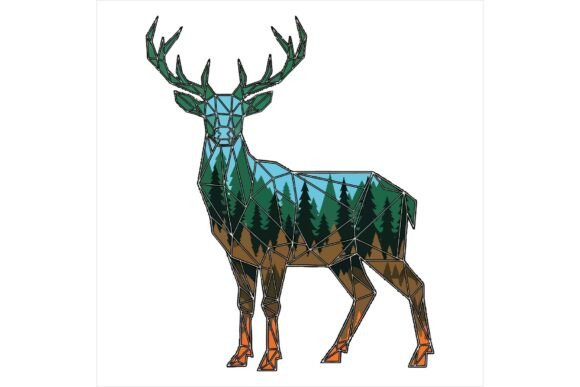
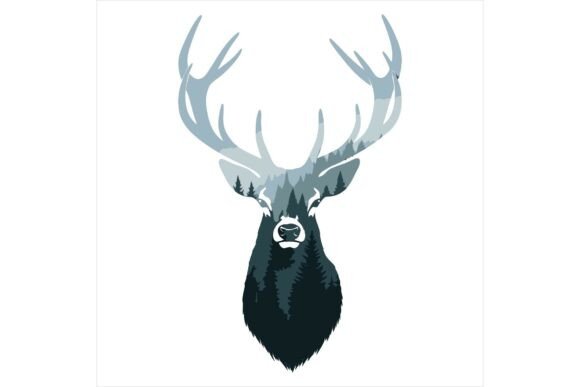
The immediate impact of the Deer Head with Large Antlers is one of dignified strength. The silhouette is bold, commanding attention without being overly aggressive. In the context of modern design, there is a growing appreciation for natural motifs that convey stability and timelessness. This illustration captures that essence perfectly. The antlers are detailed enough to provide visual interest but streamlined enough to remain versatile. It creates a mood of wilderness sophistication, making it an ideal candidate for brands that want to project reliability, organic quality, or a connection to nature.
For a small business branding project, this kind of imagery helps establish an emotional hook. It tells a story before the customer even reads the tagline. Whether used for a hunting lodge, a craft brewery, or a sustainable clothing label, the deer head serves as a powerful anchor for the visual narrative.
Versatility Across Client Deliverables
In my workflow, versatility is king. A single asset must perform across multiple mediums to justify its inclusion in a design bundle. I tested the Deer Head with Large Antlers across several common deliverables to see where it shines.
- Logo Design and Brand Identity: The strong lines work exceptionally well for emblem-style logos. When paired with a sturdy serif font, it creates a classic, established look. With a clean sans serif, it feels more contemporary and approachable.
- Packaging Design: For product labels, such as those on beard oil bottles or coffee bags, the illustration acts as a premium decorative element. It elevates the perceived value of the product, suggesting craftsmanship and care.
- Print-on-Demand and Merchandise: This asset is a powerhouse for t-shirt design and tote bags. The high-contrast nature of the antlers ensures visibility on fabric. It also translates beautifully into sublimation design for mugs and tumblers, where the details can be appreciated up close.
- Digital Marketing: In social media graphics, particularly for Instagram posts or Pinterest pins, the deer head serves as an excellent focal point. It breaks up text-heavy layouts and adds a thematic consistency to campaign visuals.
Strategic Placement and Visual Hierarchy
Understanding where to place an illustration is crucial for maintaining visual hierarchy. The Deer Head with Large Antlers works best in large layout areas where it can breathe. I recommend using it as a hero graphic on landing pages or as a central element on poster designs. It commands space, so it should not be competing with too many other complex elements.
However, caution is required in crowded layouts. If you are designing a busy flyer or a data-heavy infographic, this illustration might overwhelm the content. It is best used as a primary brand marker or a decorative accent in minimalist compositions. In editorial design, it can serve as a chapter header or a section break, providing a visual pause for the reader.
Contexts Requiring Careful Use
While versatile, this asset is not a universal fix. I would advise against using it in corporate environments that require sterile, tech-forward aesthetics. It may clash with brands that rely on neon colors or ultra-modern, abstract geometry. Additionally, when scaling down for small icons or favicon usage, the intricate details of the antlers may lose definition. Always test the legibility at smaller sizes to ensure the shape remains recognizable.
Technical Performance and Designer Notes
Before delivering any final files to a client, I run a series of technical checks. Here are my practical notes for integrating this digital product into your workflow:
- Contrast Testing: View the illustration in pure black and white. Does it hold its form? Yes, the strong silhouette ensures it remains effective even without color gradients. Test it on both light and dark backgrounds to ensure adequate contrast.
- File Format Inspection: If you are working with a SVG design file, check the node count. Clean vectors allow for easy editing of line weights and colors. For raster users, ensure the PNG design has a transparent background to avoid awkward white boxes around the antlers.
- Typography Pairing: Experiment with different font styles. A handwritten font can add a personal, artisanal touch, while a display font can create a bold, vintage poster effect. Ensure the font weight balances the visual weight of the antlers.
- Print Quality: For printable design projects like wall art or stickers, verify the resolution. Vector files are preferred for scalability, but high-resolution PNGs are acceptable for fixed-size prints.
- Licensing Verification: Always confirm the commercial license terms. If you are creating assets for a client or selling products on Etsy, ensure the license covers commercial use and print-on-demand applications.
Final Verdict for Professional Use
The Deer Head with Large Antlers is a robust addition to any designer’s toolkit. It bridges the gap between traditional craftsmanship and modern aesthetic sensibilities. For handmade business owners and creative marketplace sellers, this illustration offers a ready-made solution for creating cohesive brand materials. It simplifies the design process while maintaining a high level of professionalism.
Whether you are building a Canva template for social media, crafting a Cricut project for vinyl decals, or developing a comprehensive brand identity, this asset delivers. It provides the visual trust and emotional appeal necessary to engage audiences in today’s saturated market. By treating it with the respect due a primary brand element—checking contrast, scale, and licensing—you can leverage this illustration to create polished, impactful designs that resonate with clients and customers alike.
In conclusion, if your project calls for nature-inspired elegance and strong visual presence, this clipart and illustration combination is worth considering. It is not just a picture; it is a strategic tool for enhancing marketing visuals and establishing a memorable brand presence.