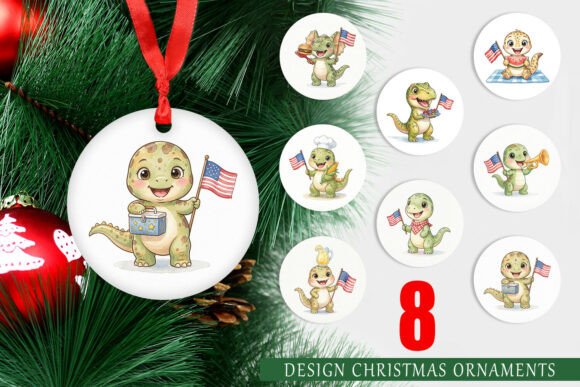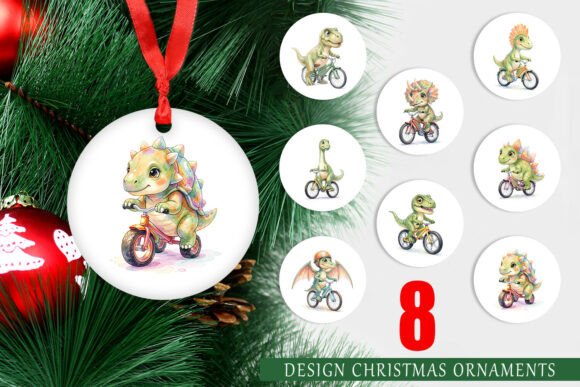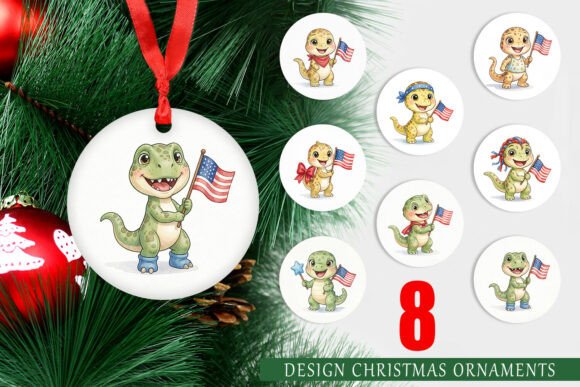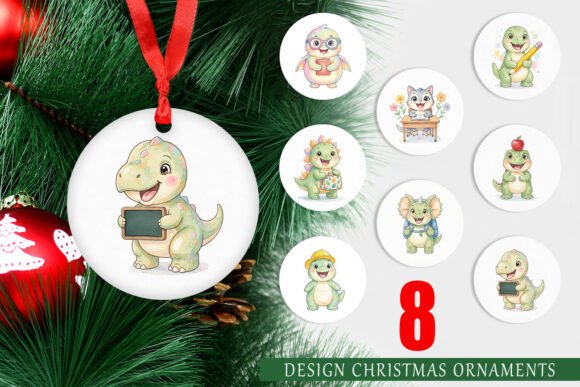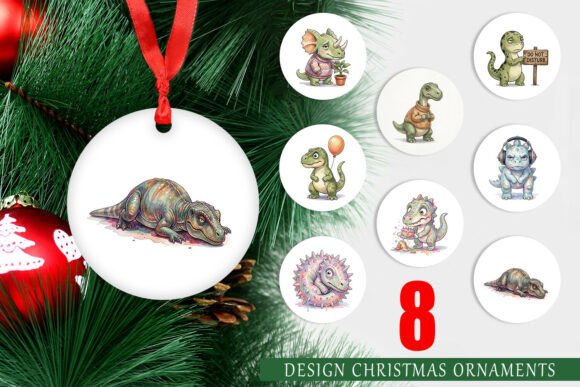
Watercolor Dinosaur Ornament Illustrations
As a brand designer who has spent the last decade helping local businesses find their visual voice, I approach every new graphic design asset with a critical eye. It is not enough for an image to be pretty; it must serve a strategic purpose within a broader brand identity. Recently, I evaluated the Watercolor Dinosaur Digital Ornament for a potential client project: a boutique children’s apparel line and a small-batch organic soap maker looking to launch a playful, nature-inspired seasonal collection. My goal was to determine if this asset could carry the weight of professional packaging design and small business branding, or if it was merely decorative clutter.
First Impressions and Brand Personality
The immediate mood created by the Watercolor Dinosaur Digital Ornament is one of soft nostalgia mixed with whimsical energy. The watercolor technique suggests a handmade, organic quality that resonates deeply with consumers seeking authenticity. Unlike rigid vector graphics, the bleeding edges and soft color transitions imply warmth and approachability. For a local business, this aesthetic signals friendliness rather than corporate stiffness. It feels decorative yet grounded, making it an excellent fit for brands that want to appear premium but accessible. If your brand personality leans toward the playful, rustic, or gentle, these Illustrations provide an instant emotional hook.
Strategic Applications in Local Business Design
In my review, I mapped out several practical applications for this asset beyond simple decoration. For the children’s apparel brand, the dinosaur motif serves as a hero graphic for product labels and hang tags. The organic shape of the watercolor allows it to sit comfortably beside handwritten fonts, creating a cohesive look for thank-you cards and sticker seals. For the soap maker, the asset works beautifully on packaging design wraps, where it can frame the product name without overpowering the essential ingredient lists.
Beyond physical products, this digital product shines in social media graphics. I envision using the ornament as a focal point in Instagram stories or Pinterest pins to announce seasonal sales. It adds visual interest to marketing visuals without requiring complex layout skills. Whether used in a Canva template for quick updates or integrated into a custom web design banner, the asset maintains its clarity and charm. It also serves well in editorial design contexts, such as a local magazine feature or a community newsletter, where a touch of whimsy can break up dense text.
Enhancing Business Presentation and Trust
A consistent visual language builds customer trust. By integrating the Watercolor Dinosaur Digital Ornament across various touchpoints, a handmade business can achieve a polished, professional appearance. This consistency improves visual hierarchy, guiding the customer’s eye from the brand logo to the product details seamlessly. When customers see the same high-quality illustration on the website, the product mockup, and the physical package, it reinforces brand recognition. This level of detail suggests that the business owner cares about quality, which translates to perceived value in the product itself.
Furthermore, using unique design assets like this helps a brand stand out on crowded shelves. In a sea of minimalist, sterile packaging, a watercolor dinosaur offers a distinct shelf appeal. It creates a stronger emotional connection with parents and gift-buyers who are drawn to narrative-driven design. This is not just about aesthetics; it is about professional branding that communicates care and creativity.
Where to Use It and Where to Exercise Caution
While versatile, this asset is not a universal solution. It works best as a decorative accent, a background element, or a primary icon for playful brands. It excels in printable design projects like party invitations, classroom materials, or nursery decor. However, caution is required when applying it to formal corporate branding or luxury minimalist brands where clean lines and negative space are paramount. The soft edges of watercolor can clash with sharp, modern typography if not balanced correctly.
Avoid using the ornament in areas dense with legal information or ingredient lists. On very small product labels, the intricate details of the watercolor may blur, losing impact. Ensure there is sufficient contrast between the asset and the background; placing a light watercolor image on a white background may render it invisible. It should never compete with critical text, such as pricing or safety warnings. Always prioritize readability over decoration.
Practical Designer Notes for Implementation
Before committing to this asset for client work, I recommend several technical checks. First, test the PNG design file on real product mockups to ensure transparency works correctly against various paper textures and colors. Check how the image performs in black and white, as some promotional materials may be printed in monochrome to save costs. If an SVG design or vector version is available, inspect its editability to adjust colors to match specific brand palettes.
Typography pairing is crucial. Test the dinosaur ornament beside serif fonts for a classic look, sans serif fonts for modernity, or script fonts for a handmade feel. Avoid overly busy display fonts that might fight for attention. Finally, always confirm the commercial license terms. Ensure the creative marketplace provider grants rights for physical product sales and unlimited digital impressions. Using unlicensed assets can jeopardize a commercial design project and damage a brand’s reputation.
In conclusion, the Watercolor Dinosaur Digital Ornament is a valuable tool for designers working with playful, nature-oriented, or child-focused brands. When used strategically, it enhances logo design concepts, enriches packaging design, and elevates marketing visuals. It is not just a clipart element; it is a building block for a memorable brand identity. By respecting its limitations and leveraging its strengths, local business owners can create compelling, trustworthy, and visually engaging experiences for their customers.